- 1-min walk (≈100 m)
- Belle Époque arcade for photos, cafés, and luxury storefronts
- Cost: Free
Top things to do near Duomo Milan
Milan’s Duomo stands in Piazza del Duomo, at the heart of Centro Storico in Municipality 1. From the cathedral, you’re within a 20-minute walk of art museums, historic churches, elegant arcades, and rooftop aperitivo spots around the city center. If you’re planning what to see around or close to the Duomo, this guide gathers the best nearby sights, food stops, and practical tips in one place for easier planning.
Top things to do near Duomo Milan
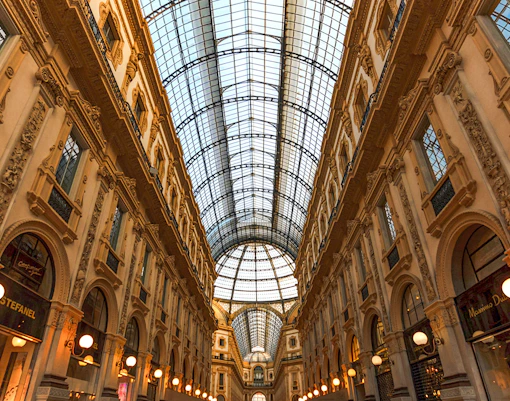
Galleria Vittorio Emanuele II
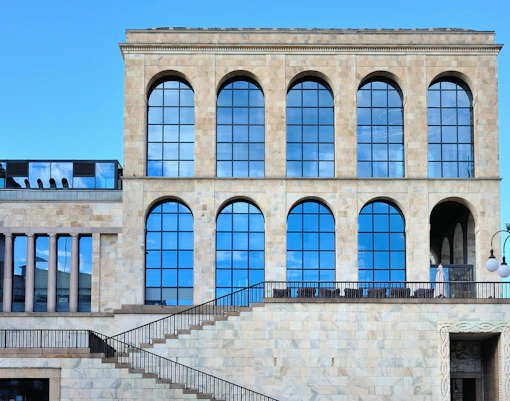
Museo del Novecento
- 2-min walk (≈150 m)
- Modern Italian art with excellent Duomo-facing windows
- Cost: From €5
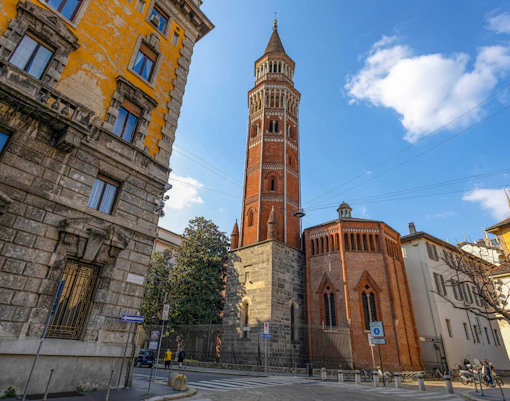
Duomo Museum & San Gottardo
- 2-min walk (≈150 m)
- See original sculptures, stained glass, and cathedral history
- Cost: From €10
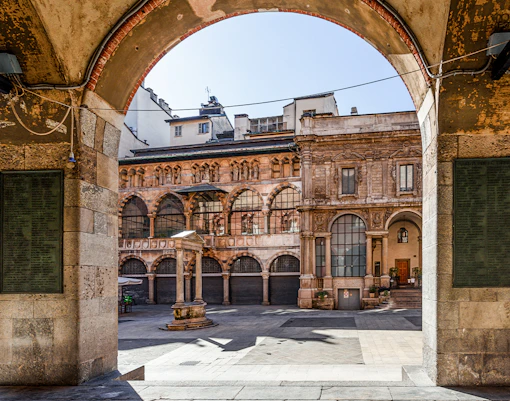
Piazza Mercanti
- 3-min walk (≈250 m)
- Medieval square tucked behind Milan’s busiest plaza
- Cost: Free
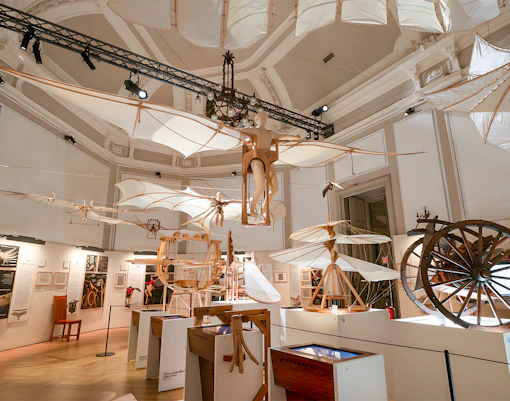
Leonardo3 Museum
- 4-min walk (≈300 m)
- Interactive machines and digital reconstructions inspired by Leonardo
- Cost: From €15
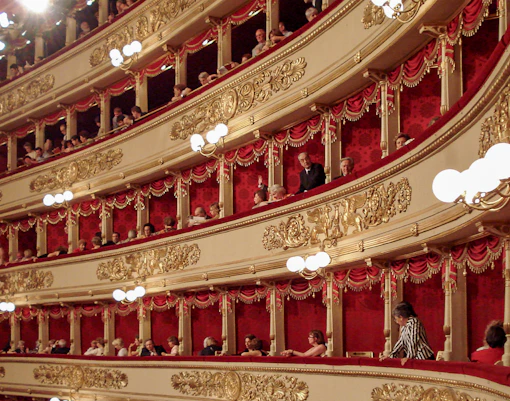
Teatro alla Scala Museum
- 8-min walk (≈650 m)
- Opera history, costumes, and auditorium views when available
- Cost: From €13
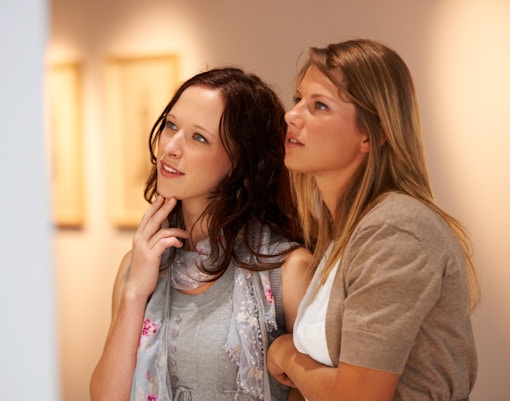
Pinacoteca Ambrosiana
- 8-min walk (≈650 m)
- Renaissance treasures, including works tied to Leonardo
- Cost: From €17
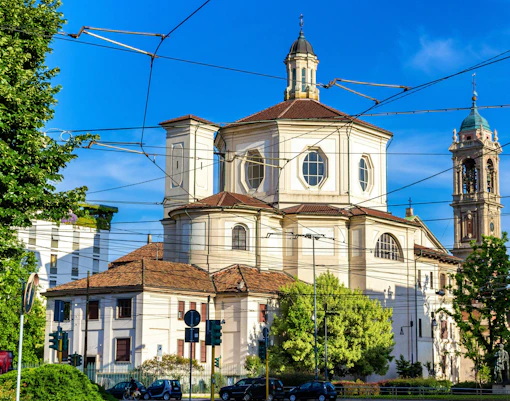
San Bernardino alle Ossa
- 10-min walk (≈750 m)
- Small chapel known for its bone-lined side chamber
- Cost: Free
See more of central Milan with one pass
The YesMilano: Flash, Standard & All-Inclusive City Passes cover Duomo access, public transportation within Zone Mi1-Mi3, and selected museums, making it a smart pick if you’re planning several stops around the cathedral area in 24 hours or 3 days.
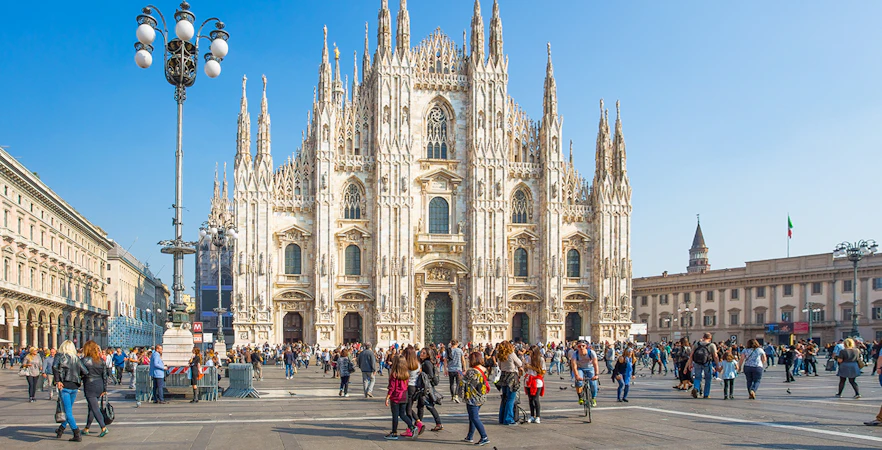
Landmarks near Duomo Milan
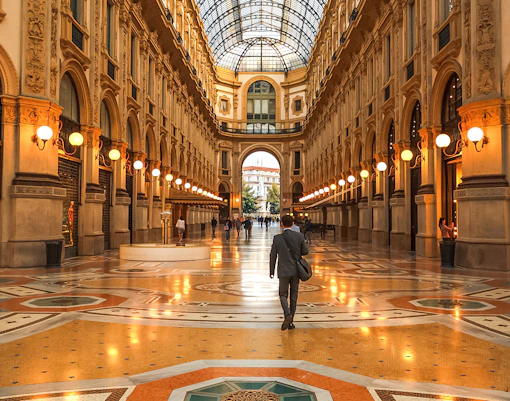
Galleria Vittorio Emanuele II
This 19th-century shopping arcade links Piazza del Duomo to La Scala through a grand iron-and-glass gallery lined with mosaic floors, historic cafés, and luxury storefronts. Even if you don’t shop, it’s one of Milan’s defining city-centre spaces.
- Distance: 1-min walk (≈100 m)
- Cost: Free
- Tip: Stand beneath the central octagon early in the morning for cleaner photos before café seating fills the mosaic floor.
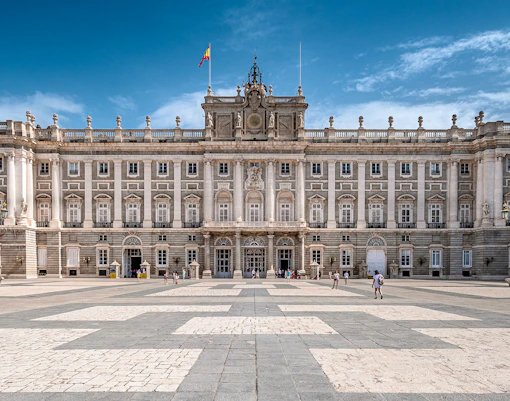
Palazzo Reale courtyard
Just beside the cathedral, Milan’s former royal palace anchors the south side of the square with a stately Neoclassical façade and broad courtyard. It’s a useful visual counterpoint to the Duomo’s Gothic detail and often hosts major temporary exhibitions.
- Distance: 2-min walk (≈150 m)
- Cost: Free to enter the courtyard
- Tip: Walk to the far end of the courtyard to frame the cathedral’s side elevations without the thickest Piazza del Duomo crowds.
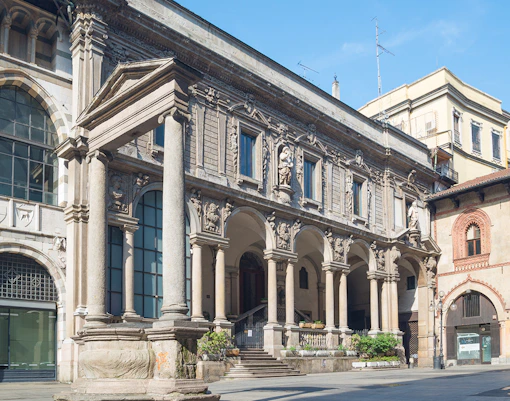
Piazza Mercanti
A compact medieval square behind the Duomo, Piazza Mercanti preserves arcades, old civic buildings, and a quieter atmosphere than the main plaza. It gives you a quick sense of pre-modern Milan without needing a long detour from the cathedral.
- Distance: 3-min walk (≈250 m)
- Cost: Free
- Tip: Visit in the evening, when the stone façades are softly lit, and the square feels more atmospheric than it does at lunchtime.
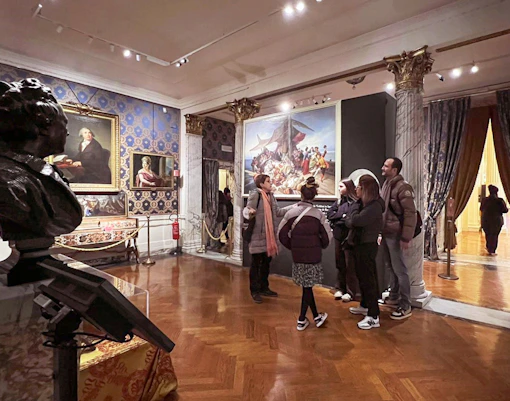
Teatro alla Scala
One of the world’s great opera houses, La Scala is as much a Milan landmark as a performance venue. Even from outside, its restrained exterior, elegant square, and cultural weight make it worth the short walk from the Duomo.
- Distance: 8-min walk (≈650 m)
- Cost: Free to view from outside
- Tip: Pause in Piazza della Scala and look back toward the Galleria entrance for a classic city-centre composition linking Milan’s two icons.
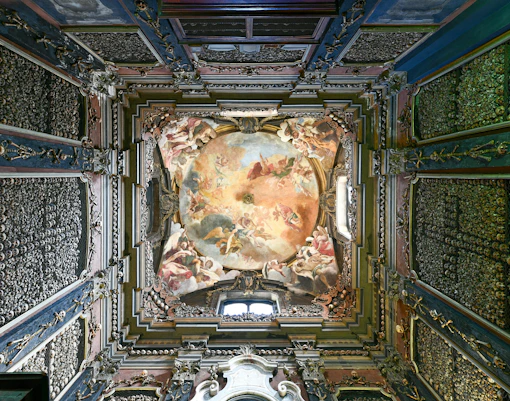
San Bernardino alle Ossa
This small 13th-century church is best known for its ossuary chapel, where walls are decorated with human bones in intricate patterns. It’s one of the strangest short walks from the Duomo and a sharp contrast to the cathedral’s scale.
- Distance: 10-min walk (≈750 m)
- Cost: Free
- Tip: Keep your voice low inside; it’s an active place of worship, and the ossuary room is small enough to feel crowded quickly.
Museums near Duomo Milan
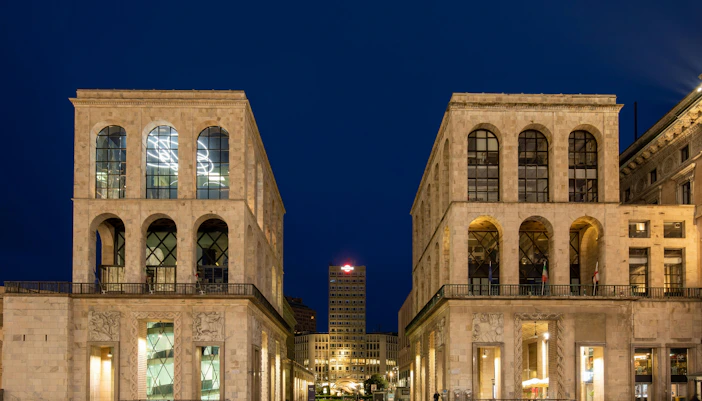
Museo del Novecento
Facing Piazza del Duomo, this museum traces 20th-century Italian art through Futurism, abstraction, and postwar movements. The route is manageable even if you’re short on time, and the upper floors open onto memorable cathedral-facing city views.
- Distance: 2-min walk (≈150 m)
- Cost: From €5
- Tip: Save the Duomo-view windows for the end of your visit, when the changing light makes the cathedral façade look completely different.
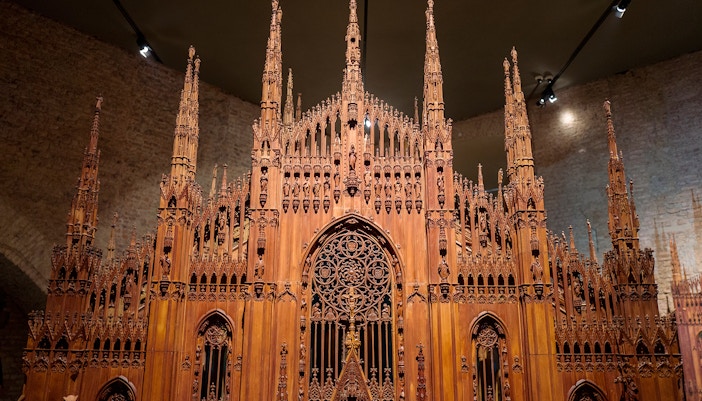
Duomo Museum
The museum explains how the cathedral was built, decorated, and restored over centuries, using original statues, stained glass panels, liturgical objects, and architectural models. It’s the best way to understand details you’ll otherwise miss on the façade and terraces.
- Distance: 2-min walk (≈150 m)
- Cost: From €10
- Tip: Look for the Madonnina replica here after visiting the rooftop; it lets you study details that are impossible to see from the square.
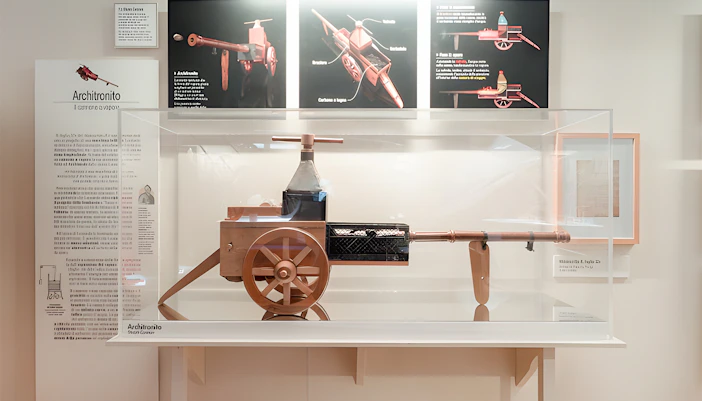
Leonardo3 Museum
Inside the Galleria area, this interactive museum focuses on Leonardo da Vinci’s machines, engineering ideas, and digital reconstructions. It’s lighter and more hands-on than a traditional gallery, making it a strong rainy-day option near the Duomo.
- Distance: 4-min walk (≈300 m)
- Cost: From €15
- Tip: Head to the interactive stations first if you’re visiting with kids; those sections get busier once afternoon foot traffic builds in the Galleria.
Pinacoteca Ambrosiana
One of Milan’s oldest museums, the Ambrosiana holds Renaissance paintings, manuscripts, and drawings in a compact but high-quality collection. It suits travellers who want a serious art stop without committing to a half-day museum visit.
- Distance: 8-min walk (≈650 m)
- Cost: From €17
- Tip: Don’t rush straight past the library collections; they provide useful context for Milan’s intellectual history beyond the paintings.
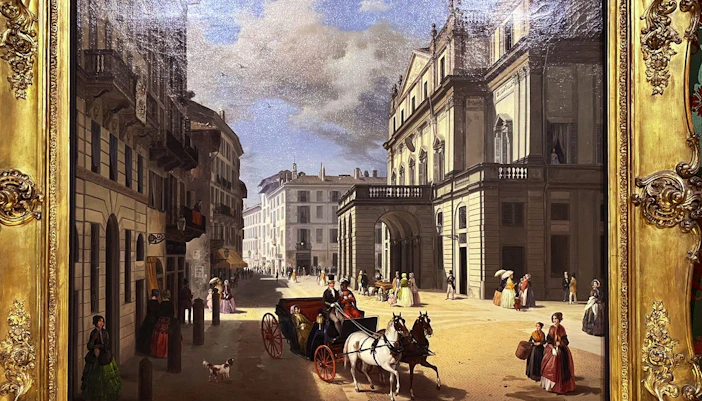
Teatro alla Scala Museum
Part museum and part glimpse into Milan’s operatic identity, La Scala’s museum displays portraits, instruments, costumes, and production history. When rehearsals allow, you may also look into the red-and-gold auditorium from a museum box.
- Distance: 8-min walk (≈650 m)
- Cost: From €13
- Tip: Go earlier in the day for a better chance of calm galleries; performance traffic can make the building feel much busier later on.
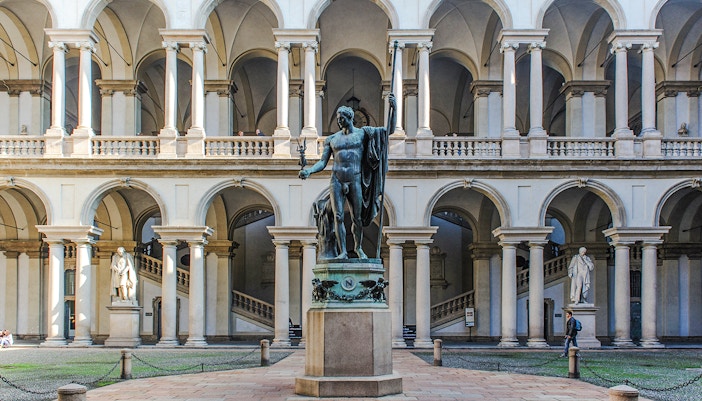
Pinacoteca di Brera
Brera is Milan’s heavyweight painting museum, known for major works by Raphael, Caravaggio, and Titian. If you’ve already done the Duomo and want a second cornerstone cultural stop, this is the strongest art follow-up nearby.
- Distance: 18-min walk (≈1.4 km)
- Cost: From €15
- Tip: Combine it with the Botanical Garden next door for a quieter reset after the denser museum rooms and Brera’s busy lanes.
Go beyond the main square after the cathedral
Once you’ve seen the Duomo, slip into Piazza Mercanti, San Bernardino alle Ossa, and the quieter side streets toward Ambrosiana for a different feel of central Milan. These stops trade grand crowds for layered architecture, smaller chapels, and local rhythm within easy walking range.
Where to eat & drink near Duomo Milan
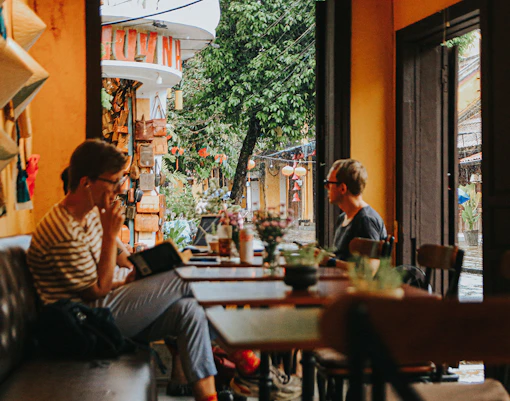
Luini
Historic takeaway bakery famous for freshly fried and baked panzerotti; there’s no formal seating, but it’s one of the fastest, most satisfying food breaks near the cathedral. Ideal if you want something local before returning to museums or climbing the terraces.
- Distance: 2-min walk (≈150 m)
- Cost: From €4
- Highlight: Order the classic tomato-and-mozzarella panzerotto first; it’s the benchmark and travels well if you eat standing in the nearby side street.
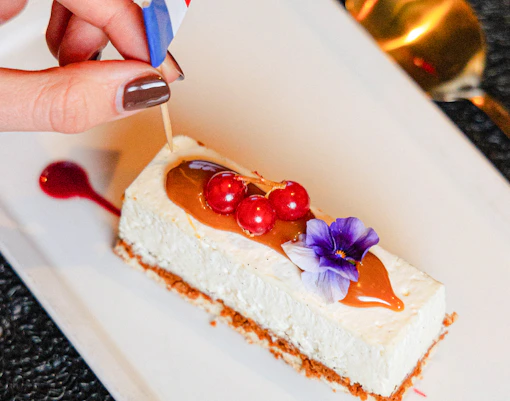
Marchesi 1824 Galleria
Elegant pastry café inside the Galleria with polished interiors, counter service, and refined table seating. It suits travellers who want a quieter coffee-and-dessert pause after the Duomo rather than a rushed snack in the square.
- Distance: 2-min walk (≈150 m)
- Cost: From €8
- Highlight: Their cream-filled pastries and pralines are the draw; pair one with espresso instead of ordering the full pastry tray.

Terrazza Aperol
Modern aperitivo bar overlooking Piazza del Duomo, with indoor tables and a balcony angled onto the cathedral. It’s more about location and early-evening atmosphere than a long dinner, especially if you want your spritz with a major landmark view.
- Distance: 3-min walk (≈200 m)
- Cost: From €18
- Highlight: Book an early-evening slot and order the house Aperol Spritz with small bites; the cathedral-facing tables go first.
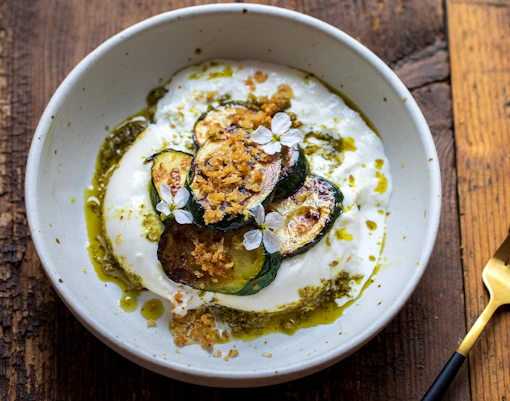
Obicà Mozzarella Bar Duomo
Contemporary Italian restaurant with table seating, mozzarella-focused plates, pizzas, and lighter pasta dishes. It works well for lunch between museums because service is usually quicker than at more formal Duomo-view dining rooms.
- Distance: 4-min walk (≈300 m)
- Cost: €18–30 per person
- Highlight: Go for the burrata with seasonal vegetables or a simple margherita; both are reliable choices when you don’t want a heavy meal.
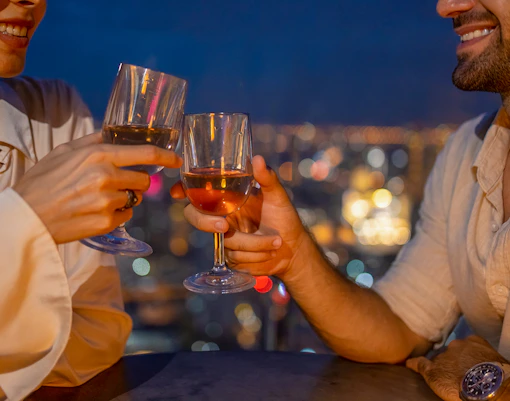
Maio Restaurant
Rooftop restaurant inside La Rinascente with polished dining rooms and terrace seating facing the Duomo. It’s one of the easiest ways to combine a proper meal with a cathedral view, especially after sunset when the façade is lit.
- Distance: 4-min walk (≈300 m)
- Cost: From €40 per person
- Highlight: Reserve for dinner and ask for cathedral-facing seating; even a single dessert course here is worth timing around blue hour.
Budget-friendly things to do near Duomo Milan
Galleria Vittorio Emanuele II
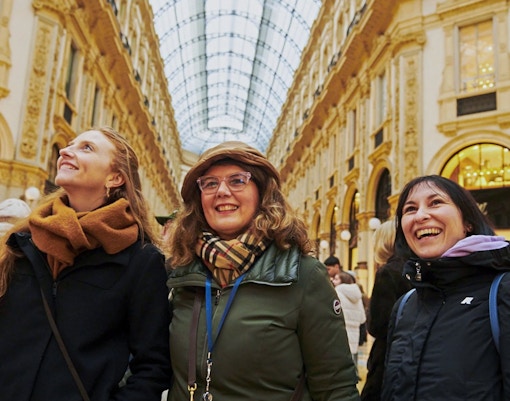
The grand arcade is free to enter and rewarding even without shopping, thanks to mosaic floors, iron-and-glass vaulting, and constant people-watching. It’s the easiest no-cost extension of a Duomo visit and works in any weather.
- Distance: 1-min walk (≈100 m)
- Cost: Free
- Budget tip: Come before most boutiques open for the cleanest photos and the quietest look at the floor mosaics under the central dome.
Museo del Novecento
If you want a paid museum stop without stretching your budget, this is the best-value art option next to the Duomo. The collection is focused, the route is manageable, and the upper galleries give you excellent cathedral views.
- Distance: 2-min walk (≈150 m)
- Cost: From €5
- Budget tip: Visit later in the afternoon, then use the museum windows for free elevated Duomo photos instead of paying for another rooftop drink.
Piazza Mercanti
This medieval square feels like a pocket of older Milan hidden behind the cathedral zone. Stone arcades, civic buildings, and a calmer atmosphere make it a worthwhile free detour when Piazza del Duomo starts feeling too hectic.
- Distance: 3-min walk (≈250 m)
- Cost: Free
- Budget tip: Walk through on weekdays around 8am–9am, when delivery traffic has passed, but group tours haven’t yet filled the square.
Piazza Affari and the L.O.V.E. sculpture
A quick walk from the Duomo brings you to Milan’s financial district and Maurizio Cattelan’s provocative public sculpture outside the stock exchange. It’s a free, slightly irreverent contrast to the city’s religious and historic core.
- Distance: 10-min walk (≈800 m)
- Cost: Free
- Budget tip: Pair this with Pinacoteca Ambrosiana on the same walk to get an art-and-architecture loop without paying for transport.
San Bernardino alle Ossa
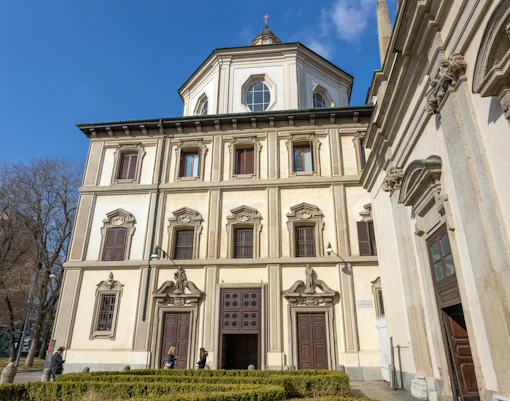
This small church and ossuary offers one of central Milan’s most unusual interiors at no charge. It’s short, memorable, and genuinely different from the grand scale of the Duomo, making it a strong free add-on nearby.
- Distance: 10-min walk (≈750 m)
- Cost: Free
- Budget tip: Visit mid-morning rather than late afternoon; the chapel is tiny, and large groups can make the ossuary hard to see properly.
Gardens and parks near Duomo Milan
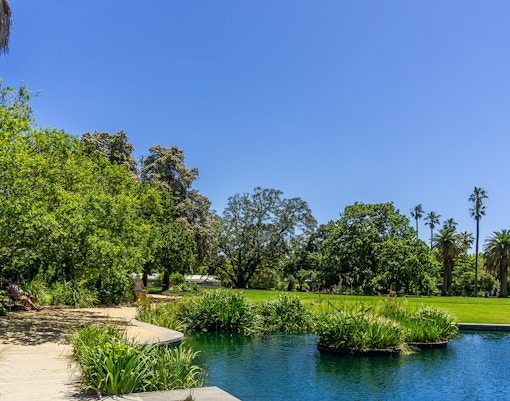
Giardino della Guastalla
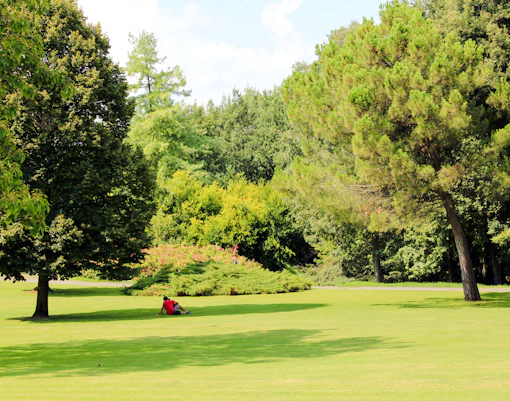
Milan’s oldest public garden offers clipped hedges, shaded paths, benches, and a calmer pace than the cathedral district. It’s a good breather after the Duomo if you want greenery without leaving the historic centre or committing to a long walk.
- Distance: 11-min walk (≈850 m)
- Cost: Free
- Highlight: The fish pond and benches make this a better pause spot than the square if you need shade and a seated break.
Brera Botanical Garden
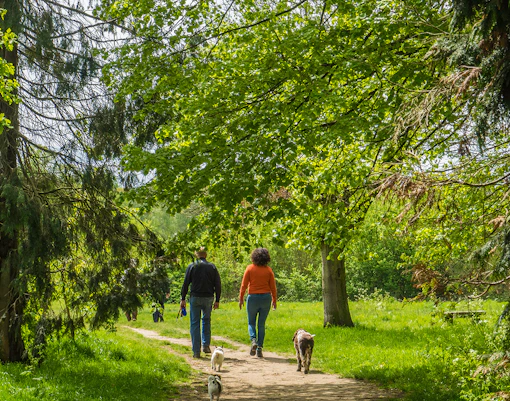
Tucked behind the Brera complex, this compact botanical garden is quieter than most central Milan green spaces and feels almost hidden once you step inside. It’s especially useful if you’re combining Brera museum time with a little outdoor downtime.
- Distance: 16-min walk (≈1.2 km)
- Cost: Free
- Highlight: Visit after Pinacoteca di Brera, when the garden’s ordered beds and courtyard calm feel especially restorative after crowded galleries.
Parco delle Basiliche
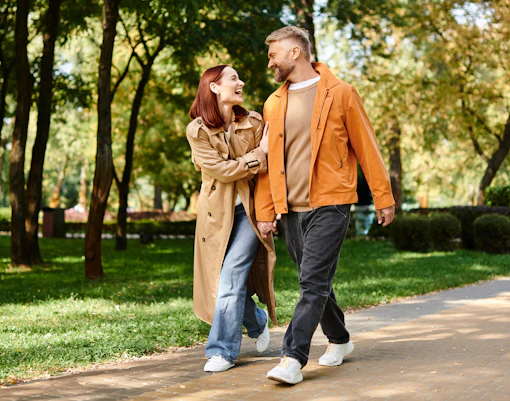
Stretching between historic churches south-west of the Duomo, this open park gives you lawns, benches, and a more local neighborhood mood than the monument-heavy center. It’s best for a longer stroll rather than a quick photo stop.
- Distance: 18-min walk (≈1.4 km)
- Cost: Free
- Highlight: Walk here toward late afternoon, when the park begins to fill with locals, and the church façades catch warmer light.
Parco Sempione
Milan’s major central park sits just beyond Castello Sforzesco and works well as a greener second half to a Duomo-centered day. Broad paths, ponds, and plenty of seating make it good for families and anyone needing space after the square.
- Distance: short metro ride
- Cost: Free
- Highlight: Enter from the Castello side so you can combine castle courtyards, the park, and an easy return toward the Duomo later.
Public squares, streets, and more
Galleria Vittorio Emanuele II
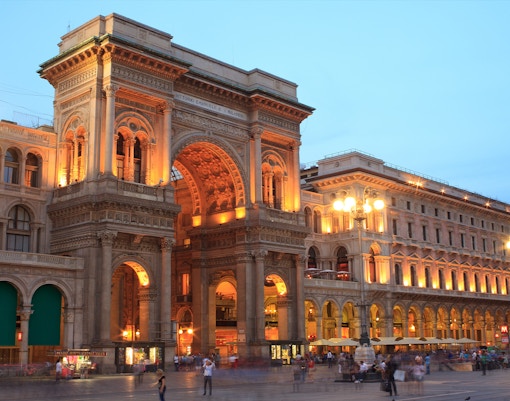
More than a shopping passage, the Galleria is Milan’s ceremonial indoor street, crowned by a soaring glass dome and patterned mosaics. It connects the Duomo to La Scala and gives you one of the city’s most recognizable architectural interiors.
- Distance: 1-min walk (≈100 m)
- Cost: Free
- Highlight: Stand at the center octagon and look straight up; the iron ribs and glass geometry are the real show, not the shop windows.
Piazza Mercanti
This compact square preserves the civic heart of medieval Milan with arcades, stone façades, and a sense of compressed urban history. It feels markedly older and quieter than Piazza del Duomo, despite being just minutes away on foot.
- Distance: 3-min walk (≈250 m)
- Cost: Free
- Highlight: Walk beneath the arches and listen for the sound change; the acoustics still hint at the square’s older enclosed character.
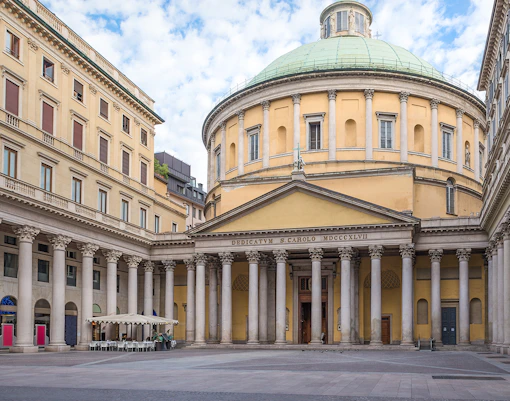
Corso Vittorio Emanuele II
A broad pedestrian shopping street radiating east from the Duomo, lined with chain stores, cafés, and historic façades. It’s less monumental than the Galleria but useful for understanding how locals and visitors actually move through central Milan.
- Distance: 4-min walk (≈300 m)
- Cost: Free
- Highlight: Look back toward the cathedral from the western end for one of the cleanest street-axis views of the Duomo façade.
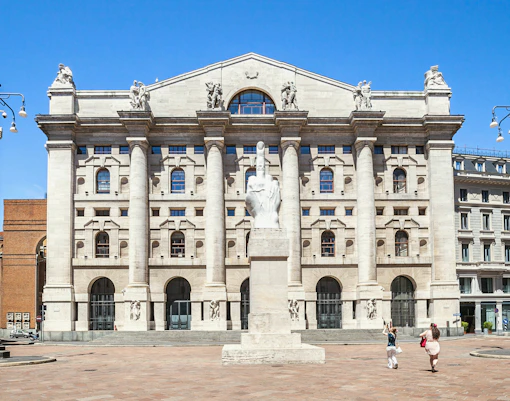
Piazza Affari
The square in front of Milan’s stock exchange has a more severe, institutional feel than the cathedral area, but it’s worth the walk for the contrast between finance, public art, and historic architecture in a compact city-center setting.
- Distance: 10-min walk (≈800 m)
- Cost: Free
- Highlight: Cattelan’s L.O.V.E. sculpture makes the square a favorite for sharp, contemporary photos that feel very far from postcard Milan.
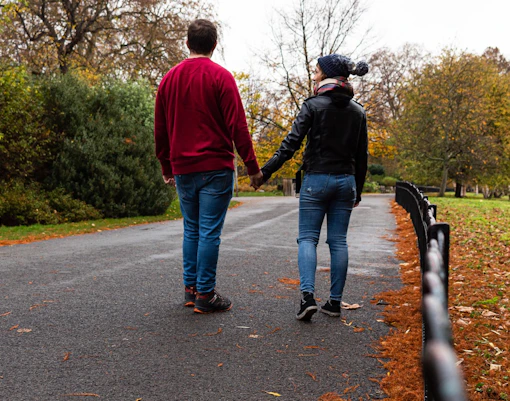
Via Dante
This pedestrian street links the Duomo zone with Castello Sforzesco through shopfronts, tram views, and long sightlines. It’s useful both as a route and as an experience in itself, especially if you’re walking between Milan’s major landmarks.
- Distance: 11-min walk (≈850 m)
- Cost: Free
- Highlight: Walk westward for the best reveal of the castle tower at the end of the street, especially after the midday shopping rush thins.
Nightlife & evening activities near Duomo Milan
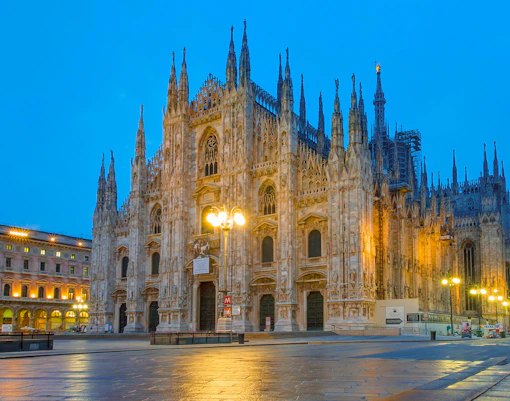
Piazza del Duomo at blue hour
As daylight fades, the cathedral’s marble begins to glow against the square’s evening lighting, and the whole area feels more theatrical than it does by day. It’s the simplest after-dark experience and costs nothing beyond your time.
- Distance: 1-min walk (≈50 m)
- Cost: Free
- Highlight: Arrive 20–30 minutes after sunset, when the sky still holds color and the façade lighting reads best in photos.
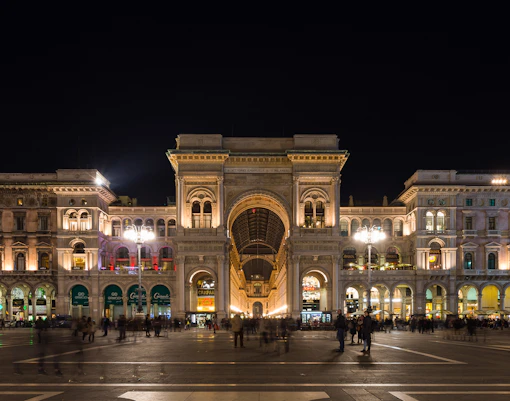
Galleria Vittorio Emanuele II evening stroll
After most daytime shoppers thin out, the Galleria becomes less frantic and more cinematic, with café lights reflecting under the glass vault. It’s ideal for an unrushed walk between dinner, aperitivo, or a La Scala performance.
- Distance: 1-min walk (≈100 m)
- Cost: Free
- Highlight: Go after 8pm for a calmer atmosphere; the mosaic floor is easier to appreciate once daytime foot traffic starts easing.

Terrazza Aperol
This cathedral-facing aperitivo bar is one of the most direct ways to turn a Duomo visit into an evening plan. The draw is the balcony angle over the square, plus drinks and snacks timed around the city’s aperitivo culture.
- Distance: 3-min walk (≈200 m)
- Cost: From €18
- Highlight: Reserve a terrace slot before 7pm if you want the transition from golden light to illuminated façade in one sitting.
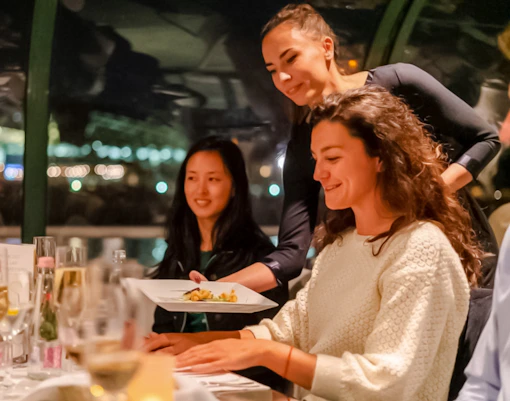
Maio Restaurant
On the upper floors of La Rinascente, Maio offers polished rooftop dining with the Duomo practically at eye level. It suits couples or small groups who want a proper dinner instead of bar snacks, without leaving the cathedral district.
- Distance: 4-min walk (≈300 m)
- Cost: From €40 per person
- Highlight: Dinner reservations matter here; ask for terrace or window seating, and arrive before full darkness for the best visual payoff.
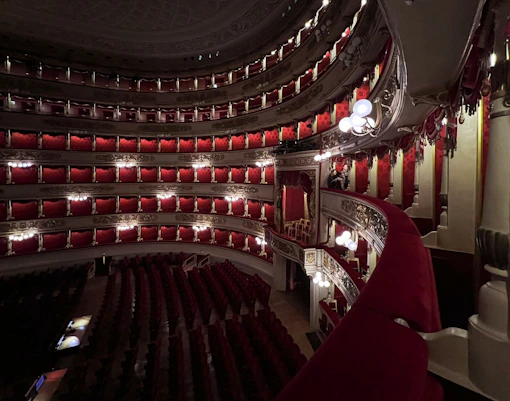
Teatro alla Scala evening performance
An opera or ballet night at La Scala turns your Duomo-area itinerary into a classic Milan cultural evening. Even if you’re not a regular opera-goer, the venue’s history and atmosphere make it a memorable step up from a standard night out.
- Distance: 8-min walk (≈650 m)
- Cost: From €25
- Highlight: Dress smart-casual and arrive early enough to cross Piazza della Scala before curtain time; the pre-show atmosphere is part of the experience.
Family-friendly experiences
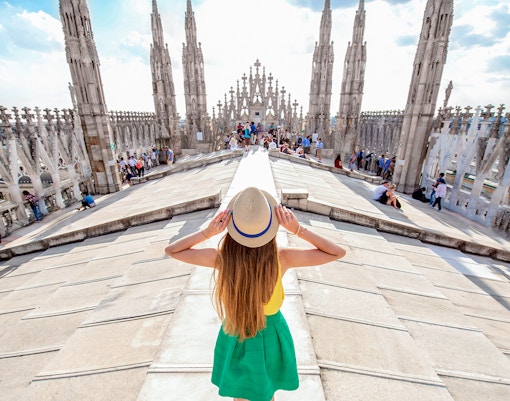
Milan Cathedral terraces
Walking the rooftop is often the part kids remember most, thanks to the close-up spires, gargoyles, and big city views. It feels adventurous without leaving the center, and the lift option makes it easier for families managing energy levels.
- Distance: 1-min walk (≈50 m)
- Cost: From €14
- Tip: Choose lift access if you’re traveling with younger children; even then, keep a hand free because some terrace sections still involve stairs.
Leonardo3 Museum
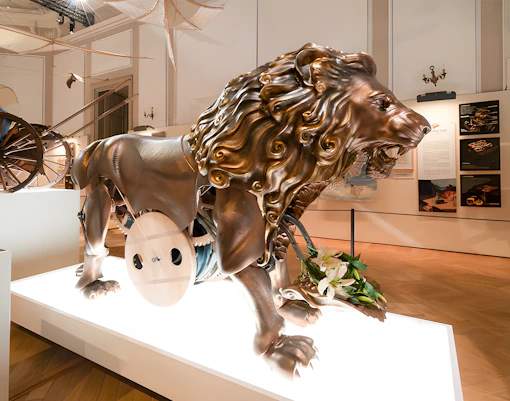
Interactive models, touchscreens, and machine reconstructions make this one of the most child-friendly indoor stops near the Duomo. It works particularly well on rainy afternoons or when younger travelers need something more hands-on than galleries or churches.
- Distance: 4-min walk (≈300 m)
- Cost: From €15
- Tip: Start with the moving-machine sections; they’re the quickest way to hook children before you slow down for the explanatory displays.
Giardino della Guastalla
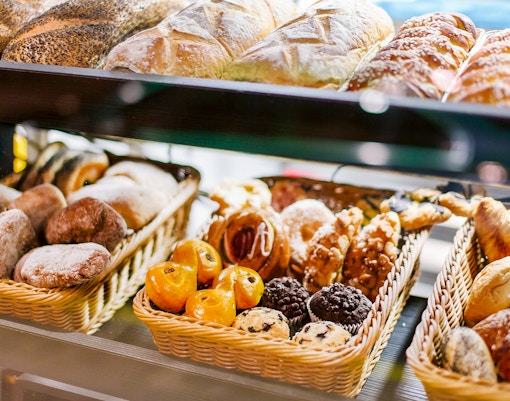
This compact garden gives families a calmer reset after the dense Duomo area, with enough space to sit, snack, and let children decompress. It’s not a destination playground, but it’s a practical green break within easy reach.
- Distance: 11-min walk (≈850 m)
- Cost: Free
- Tip: Bring a quick bakery stop from near the Duomo and use this garden as your mid-morning snack break rather than eating in the square.
Parco Sempione
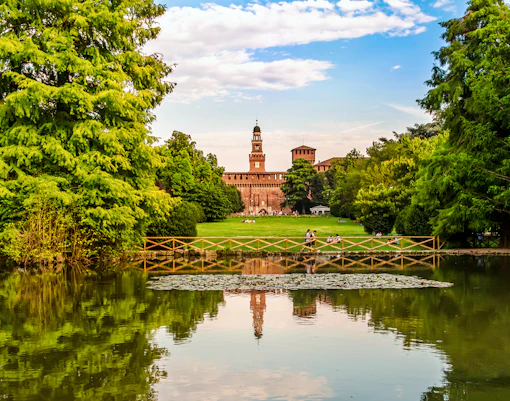
If your group needs a bigger outdoor release, Parco Sempione delivers broad paths, open lawns, and room to move after cathedral and museum time. It pairs well with Castello Sforzesco, making a strong second act for a family day.
- Distance: short metro ride
- Cost: Free
- Tip: Head here after lunch, when younger children are least likely to enjoy another indoor cultural stop around the Duomo.

Civic Aquarium of Milan
A manageable aquarium near the Parco Sempione side of the center, with smaller-scale exhibits that work well for children who need a change of pace from churches and art. It’s easy to combine with the park in one outing.
- Distance: short metro ride
- Cost: From €5
- Tip: Pair it with Parco Sempione rather than the Duomo back-to-back; that way, the outing feels varied instead of museum-heavy.
Shopping near Duomo Milan
Galleria Vittorio Emanuele II
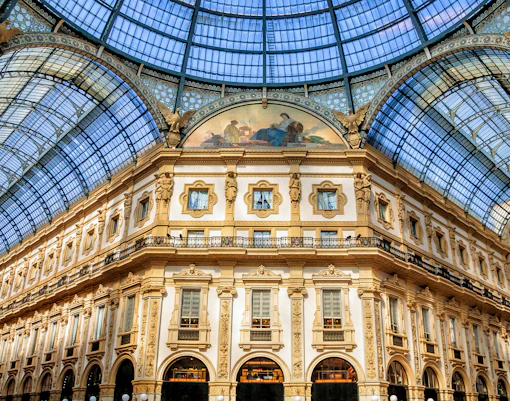
Milan’s grand arcade is the city center’s most iconic shopping address, blending historic architecture with luxury fashion houses, cafés, and gift-worthy food stops. Even if you’re not buying designer goods, it’s a worthwhile browse near the Duomo.
- Distance: 1-min walk (≈100 m)
- Cost: Browse free; items €20–500+
- Highlight: Visit before 11am for easier window-shopping and cleaner photos of the dome before the luxury foot traffic peaks.
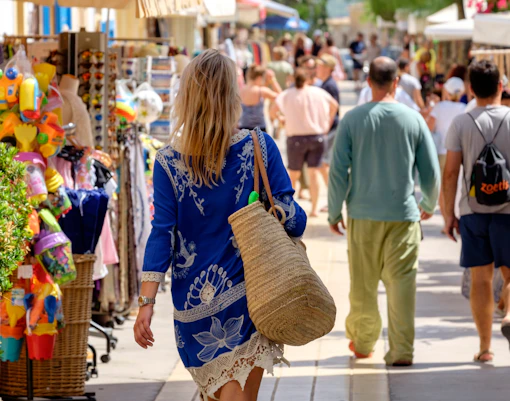
La Rinascente Milano Duomo
This multi-floor department store is one of the most practical shopping stops near the cathedral, covering fashion, beauty, home goods, and gourmet food under one roof. It’s also useful for quick gifts if you don’t want boutique-hopping.
- Distance: 2-min walk (≈150 m)
- Cost: Browse free; items €10–300+
- Highlight: Go straight to the food hall or rooftop level if you’re short on time; those floors give the best mix of souvenirs and Duomo views.
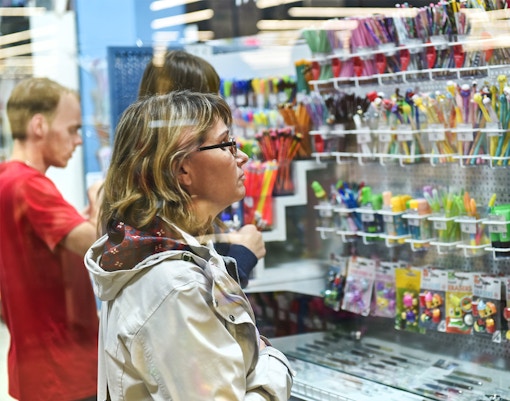
Corso Vittorio Emanuele II
This pedestrian retail spine just east of the Duomo mixes international brands, Italian chains, sneaker stores, and beauty counters. It’s the easiest nearby answer if you want mainstream city-center shopping without committing to luxury-only browsing.
- Distance: 4-min walk (≈300 m)
- Cost: Browse free; items €15–250+
- Highlight: Shops stay busiest from late morning through early evening; go earlier if you want fitting rooms without long waits.

Via Torino
A lively shopping street south-west of the Duomo, Via Torino leans younger and more casual than the Galleria, with streetwear, accessories, chain fashion, and snack stops mixed together. It’s a good contrast to Milan’s polished luxury addresses.
- Distance: 6-min walk (≈450 m)
- Cost: Browse free; items €10–150+
- Highlight: Walk the street on a weekday morning if you want a less crowded feel and more relaxed browsing in the smaller stores.
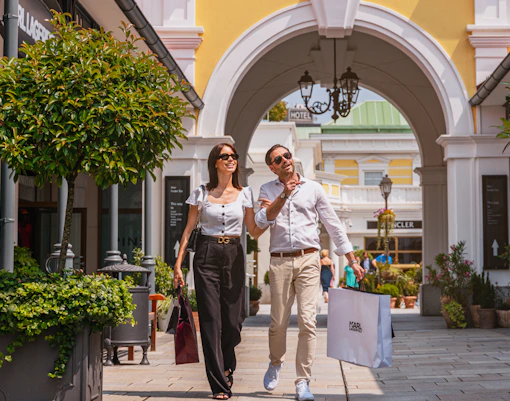
Via Dante
Running toward Castello Sforzesco, Via Dante combines souvenirs, apparel, bookstores, and casual shopping with a pleasant pedestrian route. It’s especially useful if you’re heading west after the Duomo and want to browse without changing your walking plan.
- Distance: 11-min walk (≈850 m)
- Cost: Browse free; items €10–120+
- Highlight: Use Via Dante for souvenir shopping later in the day; it’s more practical than trying to browse with the thickest Piazza del Duomo crowds.
How to plan your day near Duomo Milan
Path: Duomo Cathedral → rooftop terraces → Galleria Vittorio Emanuele II → espresso stop
- Milan Cathedral interior – 35 min
Enter early and focus on the nave, stained glass, and St. Bartholomew statue rather than trying to inspect every side chapel. - Duomo rooftop terraces – 35 min
Use the Milan Cathedral Terrace tickets or Milan Cathedral, Museum & Terraces tickets if views are your priority. - Galleria Vittorio Emanuele II – 15 min
Walk the central octagon and look up at the glass dome before the lunchtime rush. - Coffee or pastry break – 20 min
Stop at Marchesi 1824 Galleria or grab something quick nearby before moving on.
Alternative: If terrace slots are sold out, swap the rooftop for Museo del Novecento, which still gives you strong Duomo-facing views from the upper galleries.
Path: Duomo → Duomo Museum → Piazza Mercanti → lunch near the Galleria → La Scala exterior
- Milan Cathedral and archaeological area – 45 min
Start inside while the square is still relatively calm, then head below floor level for the early Christian remains. - Duomo Museum and San Gottardo – 45 min
Use Milan Cathedral, Museum & Terraces tickets for the easiest full-complex route without changing bookings. - Piazza Mercanti – 20 min
Take the short detour behind the cathedral to see Milan’s medieval civic core. - Lunch break – 1 hr
Keep it simple with Luini for speed or sit down at Obicà if you want a slower meal. - Teatro alla Scala and Piazza della Scala – 25 min
End with a landmark walk through the Galleria toward Milan’s opera district.
Alternative: If the Duomo Museum is closed on Wednesday, switch that slot to Museo del Novecento and keep the rest of the route unchanged.
Path: Duomo → rooftop terraces → Duomo Museum → lunch → Pinacoteca Ambrosiana or Brera → aperitivo
- Cathedral interior – 45 min
See the nave first before crowds deepen and security lines begin backing up outside. - Rooftop terraces – 45 min
The Milan Duomo full complex skip-the-line tickets with Terrace access are the smoothest all-in-one choice if you want museum and rooftop access together. - Duomo Museum and San Gottardo – 45 min
Use the museum stop to connect what you saw on the façade with the original sculptures and stained glass. - Lunch near the square – 1 hr
Keep the center as your base to avoid wasting time on transport. - Pinacoteca Ambrosiana or Pinacoteca di Brera – 1.5 hrs
Choose Ambrosiana for a tighter route or Brera for a deeper painting collection. - Aperitivo with a Duomo view – 1 hr
Finish at Terrazza Aperol or Maio as the cathedral lighting comes on.
Alternative: If you want broader city coverage, swap the afternoon museum for the Milan Hop-on hop-off bus tour + Milan Duomo tickets.
Path: Piazza del Duomo → Galleria stroll → rooftop drink or dinner → La Scala district
- Blue-hour Duomo photos – 20 min
Start outside when the marble begins to shift from daylight to floodlit evening tones. - Galleria Vittorio Emanuele II walk – 20 min
Use the arcade as your transition into Milan’s evening rhythm, especially once daytime shoppers thin out. - Aperitivo or dinner – 1.5 hrs
Terrazza Aperol suits a lighter stop, while Maio is stronger for a full meal with a view. - La Scala area stroll – 20 min
Walk through Piazza della Scala after dinner for a more composed side of the center. - Optional performance or late coffee – 1 hr
If you’ve booked a show, build the evening around it; otherwise, linger in the Galleria area.
Alternative: If rooftop dining is fully booked, take the easier route with a square-side aperitivo and save your reservation effort for a La Scala performance night.
Path: Duomo terraces → Leonardo3 Museum → snack break → Giardino della Guastalla
- Lift access to the rooftop – 35 min
For most children, the terraces are the Duomo highlight because the spires and views feel dramatic and open. - Leonardo3 Museum – 60 min
The interactive displays break up the church-heavy day and give younger visitors something tactile and visual. - Quick snack stop – 20 min
Luini works well because it’s close, fast, and easy to eat before the next move. - Giardino della Guastalla – 30 min
Use the garden for a rest, a drink, and a chance to reset away from cathedral crowds. - Optional gelato or return to the square – 20 min
Keep the last segment flexible depending on energy levels.
Alternative: If the weather turns, skip the garden and extend Leonardo3 or add Museo del Novecento for older children who can handle another indoor stop.
Path: Duomo rooftops → Galleria → elegant pastry or wine break → rooftop dinner
- Late-afternoon cathedral visit – 40 min
Start inside, then time the terraces for softer light over the city. - Rooftop terraces – 40 min
Lift access keeps the visit smoother and leaves more energy for the evening. - Galleria Vittorio Emanuele II – 20 min
The glass arcade is especially atmospheric when the interior lighting comes on. - Pastry, coffee, or aperitivo – 40 min
Marchesi 1824 is good for a polished pause before dinner. - Dinner with a Duomo view – 1.5 hrs
Maio is the strongest nearby choice if you want the cathedral as part of the evening setting.
Alternative: If rooftop terraces are too crowded for the mood you want, swap them for a quieter walk to Piazza Mercanti and save the view moment for dinner instead.
Path: Duomo → Luini → Galleria café → market-style lunch or mozzarella bar → aperitivo
- Cathedral quick look – 30 min
Keep the first stop concise so the rest of the route has room for grazing and an aperitivo. - Luini panzerotto – 15 min
Go early to avoid the longest line for Milan’s most famous center-city street snack. - Coffee and pastry in the Galleria – 30 min
Marchesi 1824 gives you a more refined second stop without leaving the Duomo orbit. - Lunch at Obicà or nearby trattoria – 1 hr
Use lunch for sit-down dishes after the faster bakery stop. - Aperitivo at Terrazza Aperol – 1 hr
Milan’s evening food culture is part of the city-center experience and fits naturally after a Duomo day.
Alternative: If you’d rather replace one meal with sightseeing, cut the pastry stop and spend that half hour at Pinacoteca Ambrosiana before aperitivo.
Path: Duomo interior → lower rooftop by lift → Duomo Museum → Galleria → accessible café stop
- Cathedral interior – 40 min
The main church is the easiest part of the complex for a step-free visit and still delivers the Duomo’s core visual impact. - Terraces first level by lift – 30 min
Use Milan Cathedral, Museum & Terraces tickets or Milan Duomo full complex skip-the-line tickets with Terrace access; note that upper levels and descent still involve stairs. - Duomo Museum – 40 min
This is the best substitute if the upper terraces are not workable, because it adds detail without additional physical strain. - Galleria Vittorio Emanuele II – 20 min
The arcade is flat, central, and easy to incorporate without transport. - Accessible café or department store break – 30 min
La Rinascente is useful for elevators, seating, and restrooms.
Alternative: Skip the terraces altogether if stairs are a deal-breaker and use Museo del Novecento for cathedral views from an easier indoor setting.
Visitor information
- Most sights near the Duomo fit within a 20-minute walking radius, so walking is usually the best option for Museo del Novecento, Piazza Mercanti, La Scala, Ambrosiana, and Brera.
- Duomo station on Metro Line M1 and Line M3 opens directly onto the square. Tram lines 2, 3, 12, 14, 16, and 19 also serve the center.
- The YesMilano: Flash, Standard & All-Inclusive City Passes include ATM public transport in Zone Mi1-Mi3.
- The Combo: Milan Hop-on hop-off bus tour + Milan Duomo tickets also stops by the square.
- Deal-breaker: security lines at the cathedral can still be long even with timed entry.
- Allow 1.5–2 hours for the Duomo if you’re doing the interior and terraces, and closer to 2.5 hours if you add the museum.
- Terraces are open daily from 9am to 6:30pm; terrace-only last entry is 5:50pm, while some full-complex terrace access runs up to 6:10pm depending on ticket.
- Duomo Museum and San Gottardo are closed on Wednesday.
- Pinacoteca di Brera is closed on Monday and needs 1.5–2 hours.
- Museo del Novecento works well in 60–90 minutes.
- Best overall time: arrive before 9am for the cathedral and late afternoon for the surrounding streets.
- Restrooms are easier to find inside La Rinascente, Museo del Novecento, and ticketed museum stops than out in the square itself.
- The Duomo complex does not accept bulky bags, and there is no cathedral cloakroom, so leave luggage at your hotel or a station storage facility before arriving.
- For quick food, Luini is a 2-minute walk, while Marchesi 1824 offers seated coffee nearby.
- Shade is limited in Piazza del Duomo; Giardino della Guastalla is a better rest break if you need trees and benches.
- Milan Cathedral’s interior is wheelchair accessible, and assistance dogs are allowed.
- The terraces are accessible only up to the first terrace level by lift; upper levels and descent require stairs, so they are not fully step-free.
- Duomo Museum and San Gottardo are accessible and useful alternatives if the rooftop stairs are a barrier.
- Guided rooftop tours, such as the Milan Cathedral and Terraces skip-the-line guided tour, are not wheelchair accessible.
- Galleria Vittorio Emanuele II and Museo del Novecento are easier step-free nearby options.
- Duomo Metro station is central, but not every transfer elsewhere in Milan’s network is equally straightforward.
Visitor tips
Dress code is enforced: The Duomo is not casual about exposed shoulders or knees. If you’re touring on a hot day, carry a light layer rather than relying on buying a cover-up near the entrance.
Security lines matter more than ticket lines: Even with timed or skip-the-line entry, everyone passes airport-style checks. The biggest time-saver is arriving early, not showing up with bulky bags, metal bottles, or extra gear.
Use the museum to decode the rooftop: The terraces give you the wow factor, but the Duomo Museum explains what you’re actually seeing on the façade. If you have time for both, do the rooftop first, museum second.
Photograph the cathedral from multiple heights: Ground-level shots work best from Piazza del Duomo and the Galleria entrance, while Museo del Novecento and nearby rooftops give cleaner compositions without the densest square crowds.
Keep an eye on your belongings in the square: Piazza del Duomo is busy all day, especially around the metro exits, tram stops, and photo-heavy areas. Wear your bag cross-body and ignore anyone pushing ‘free’ trinkets or pigeon feed.
Wednesday needs a slightly different plan: Because the Duomo Museum and San Gottardo close on Wednesday, make that the day for Museo del Novecento, Ambrosiana, Brera, or a longer lunch and aperitivo route nearby.
Frequently asked questions about things to do near Duomo Milan
Yes, the Duomo area is generally lively and well-lit at night, especially around the Galleria, Corso Vittorio Emanuele II, and La Scala route. Use normal city caution around crowds and keep an eye on bags and phones.
Yes. Most of the best nearby stops are within 1–18 minutes on foot, and the city-center streets around the cathedral are straightforward for first-time visitors. The biggest obstacle is crowd density, not distance or navigation.
Locals still use places like Piazza Mercanti as a quieter cut-through, Giardino della Guastalla for a breather, and Luini for a fast snack. San Bernardino alle Ossa is also a favorite when people want something smaller and stranger.
Giardino della Guastalla is the best nearby choice if you want benches, shade, and a calmer setting than the square. Pick up something light near the center first, because Piazza del Duomo itself is better for photos than relaxing.
The classic angles come from Piazza del Duomo, the Galleria entrance, and the upper windows of Museo del Novecento. For detail, the rooftop terraces are unmatched, especially if you want close spires rather than full-façade shots.
You can walk the Galleria Vittorio Emanuele II, browse Piazza Mercanti, visit San Bernardino alle Ossa, stroll Via Dante, and watch the cathedral shift color through the day. These all work well between ticketed stops.
For speed, Luini is the easiest. For pastries or coffee, Marchesi 1824 is a polished stop. If you want a Duomo-view aperitivo or dinner, Terrazza Aperol and Maio are the most convenient nearby picks.
Families do best with the Duomo terraces, Leonardo3 Museum, and a garden or park break afterward. Mixing one major cultural stop with one interactive or outdoor stop usually works better than stacking several museums together.
Museo del Novecento, Duomo Museum, Leonardo3 Museum, Pinacoteca Ambrosiana, and the Galleria all work well in wet weather. You can still have a strong center-city day without depending on rooftop access.
The Duomo complex itself does not take bulky luggage, so it’s best to store bags before you arrive. If you’re coming straight from transit, handle storage at your station or hotel before heading to the square.
Duomo station is the best stop by far, served by Metro Line M1 and Line M3. It opens directly into the square, which is especially helpful if you’re heading to a timed cathedral or terrace entry.
Yes. The YesMilano: Flash, Standard & All-Inclusive City Passes include Duomo access in selected variants, plus public transport within the central network zones, making them useful if you’re stacking several Milan sights in one trip.
