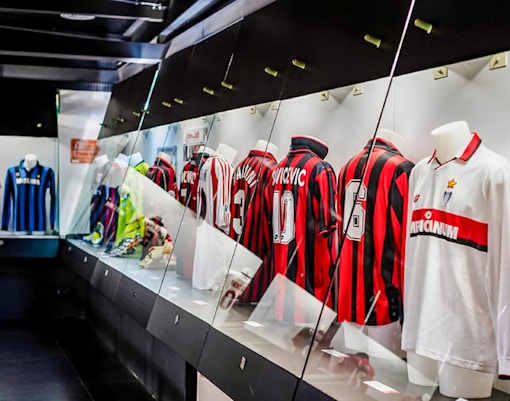
Inside, you quickly sense the unique identity of a stadium home to both AC Milan and Inter Milan. Trophy cabinets, historic jerseys, and derby stories reveal how rivalry and coexistence shaped Italian football.
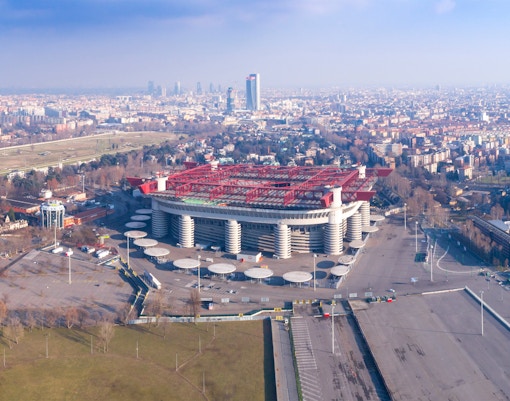
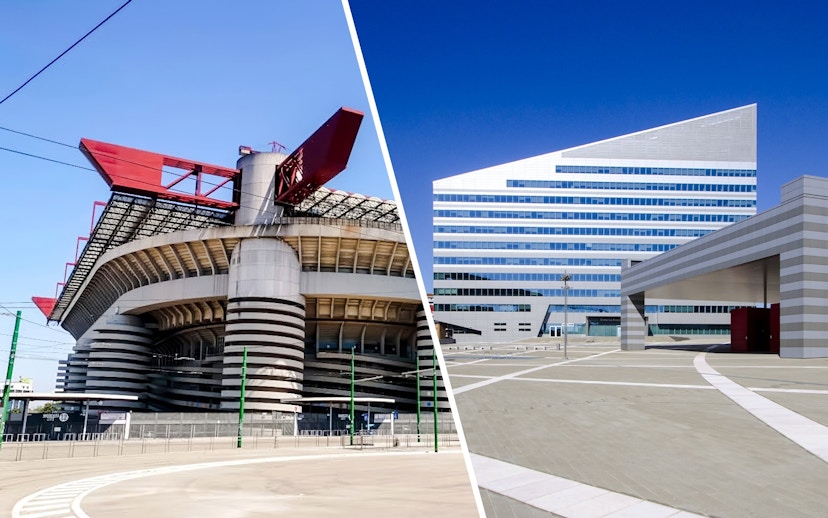
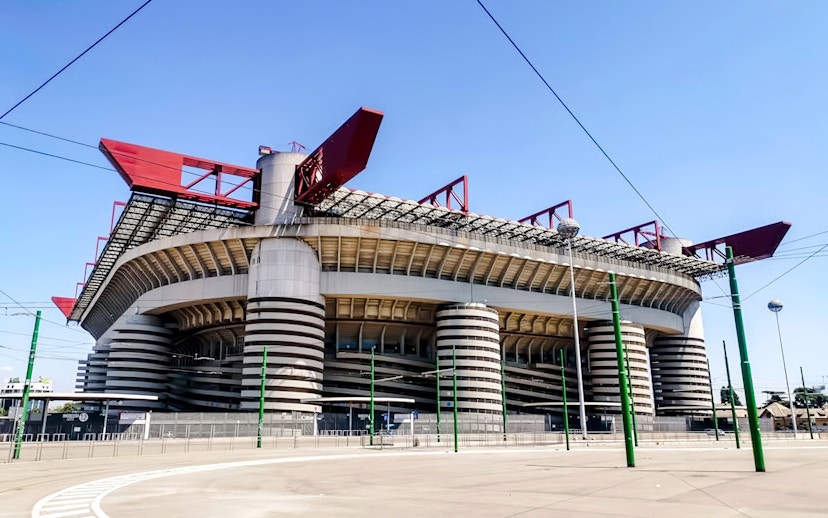
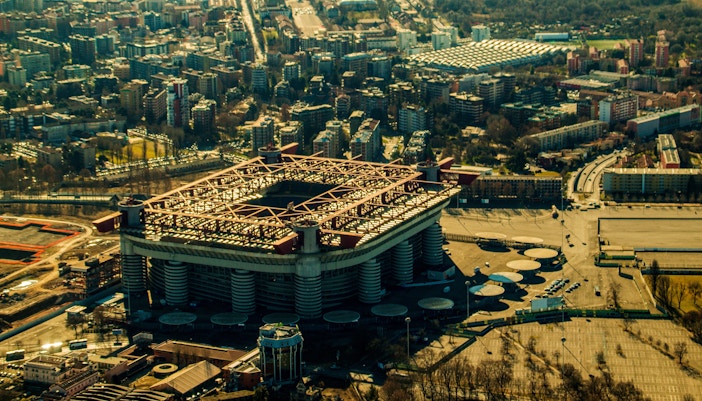
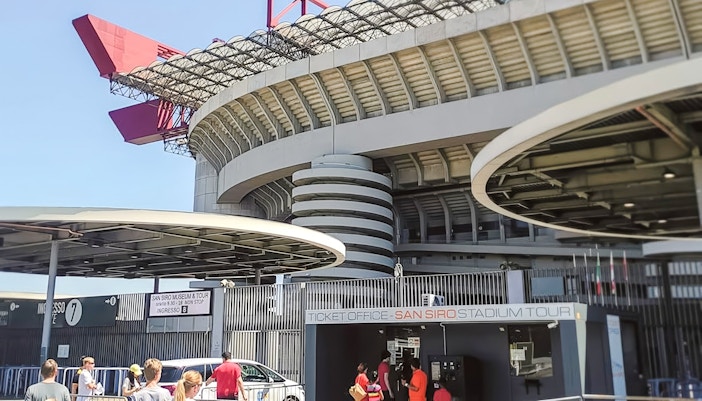
From the outside, San Siro Stadium is all red steel towers and spiral ramps. Step inside, and it transforms into a living theatre of football history—where rival legends share the same ground.
Pro tip: Go early in the day for quieter photo ops on the sidelines. A guided tour adds insider stories you won’t find on placards.
Step beyond the gates and into nearly a century of football drama. Outside, it’s a monument; inside, it’s pure emotion, echoing chants, championship banners, and the quiet tension of the tunnel before kickoff.
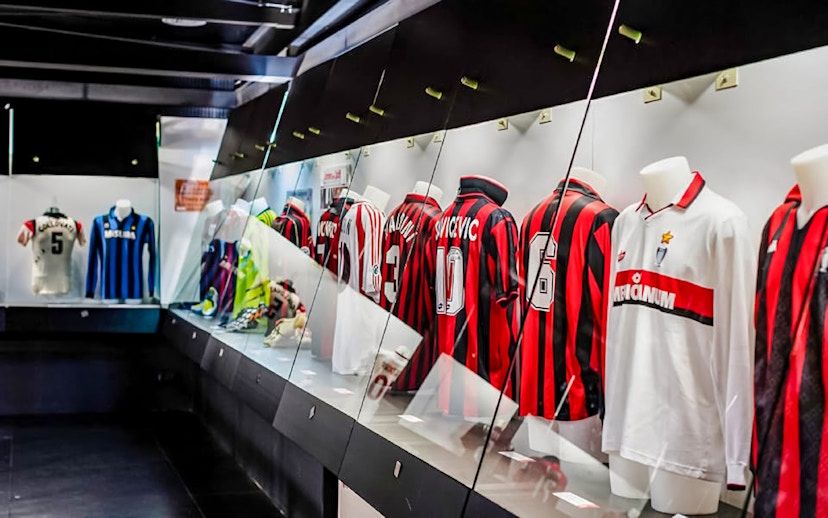
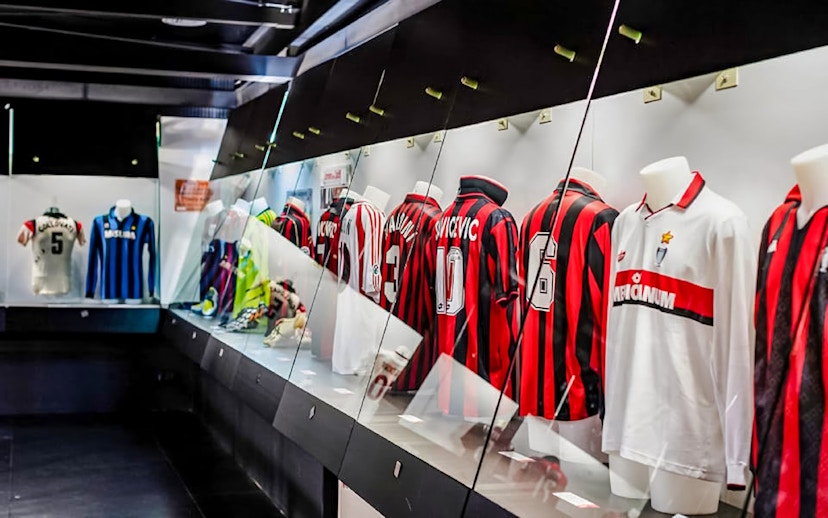
Inside, you quickly sense the unique identity of a stadium home to both AC Milan and Inter Milan. Trophy cabinets, historic jerseys, and derby stories reveal how rivalry and coexistence shaped Italian football.
The real magic lies beyond the stands. You’ll enter dressing rooms, pause in the mixed zone, and walk the same tunnel players use on match day. It’s immersive and surprisingly intimate.
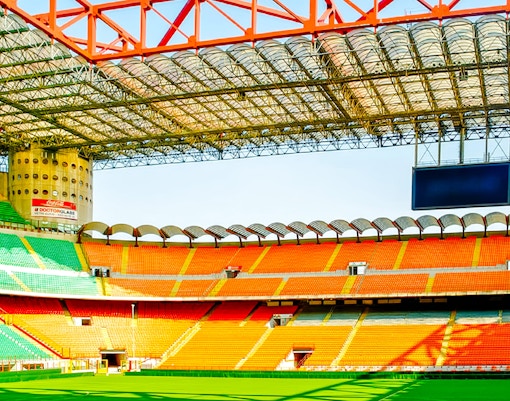
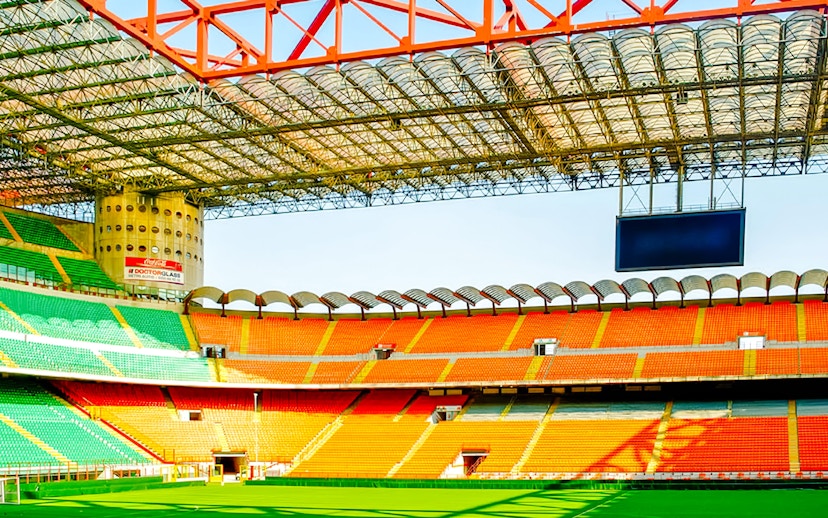
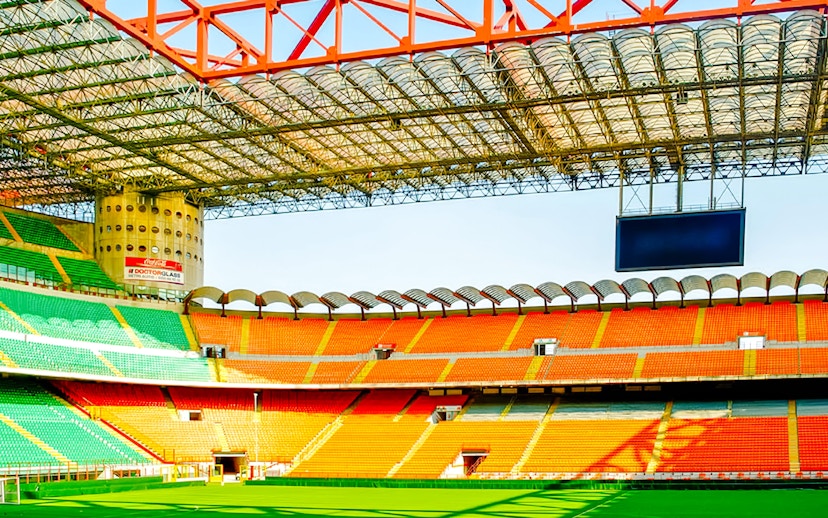
Those iconic spiral ramps and towering girders aren’t just striking outside—they frame dramatic interior views. From the lower bowl to the upper tiers, the scale hits differently when you’re seated where 70,000 fans roar.
Even on non-game days, the stadium hums with memory. Archival footage, Champions League moments, and pitch side perspectives recreate the electricity of a sold-out night.
Pro tip: Head to the tunnel before the museum if you want crowd-free photos.
A compact but powerful tribute to Milan’s football heritage.
Why it matters: It’s the only museum in Italy dedicated to two top-flight clubs under one roof.
Pro tip: Start here for context, understanding the rivalry makes the rest of the tour more meaningful.
The narrow corridor leading to the pitch.
Why it matters: This is where pre-match nerves peak. Walking it gives you a taste of that anticipation.
Pro tip: Pause midway for a photo facing the light spilling in from the field, it recreates the classic broadcast angle.
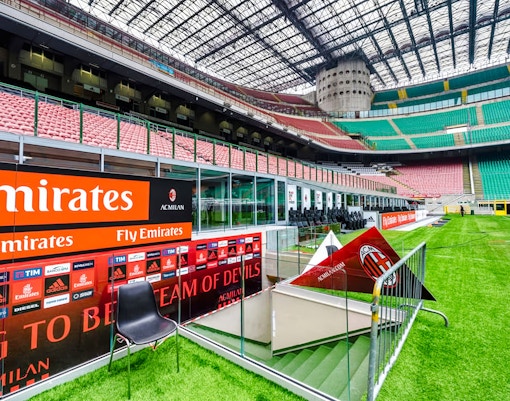
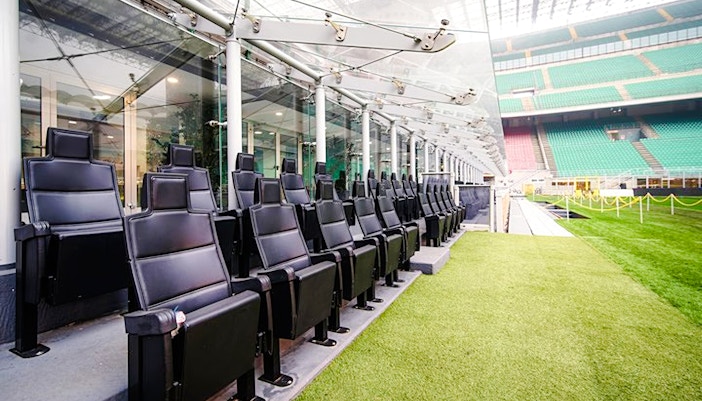
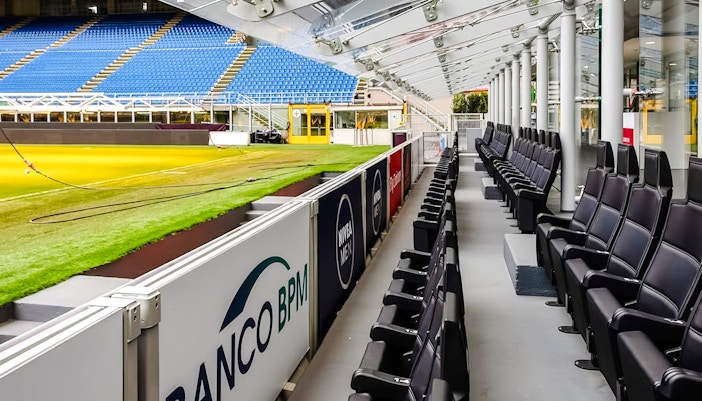
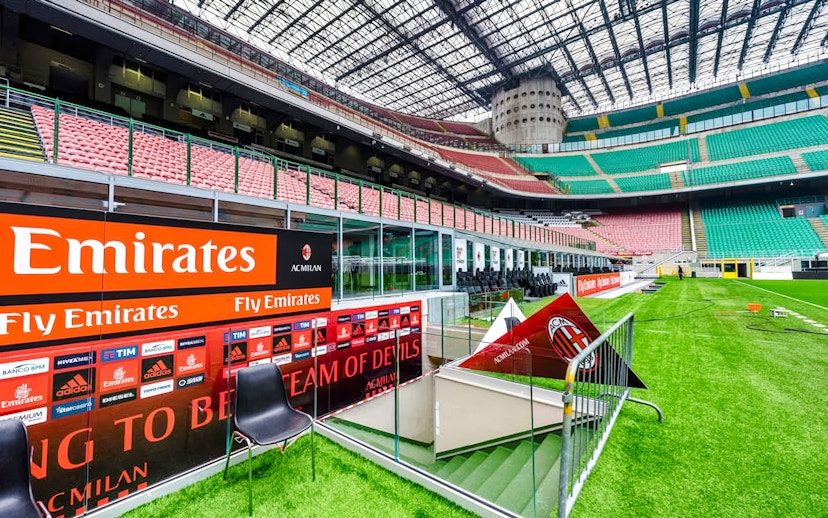
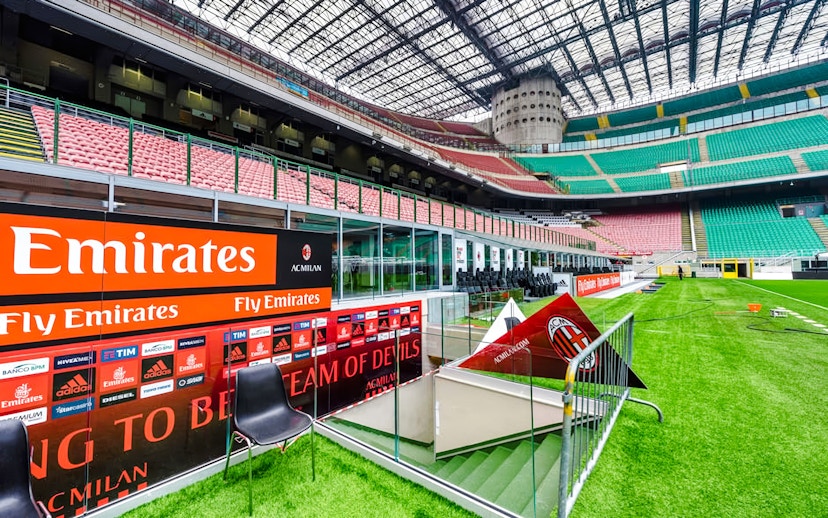
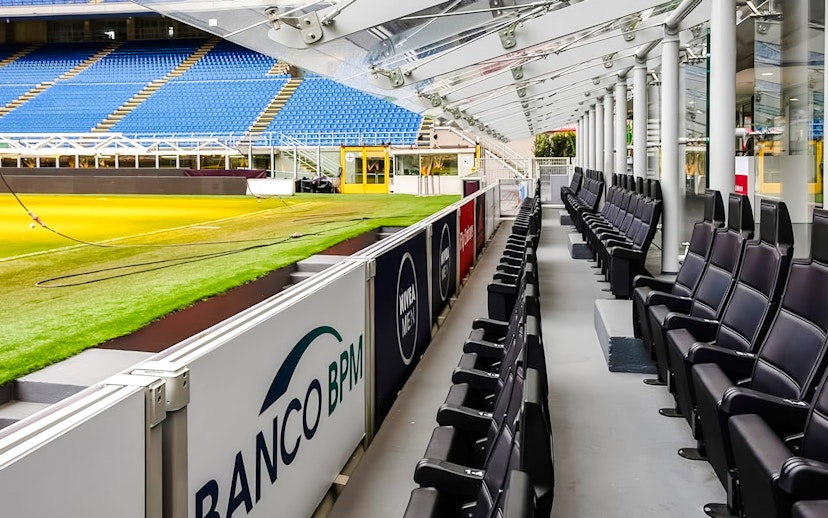
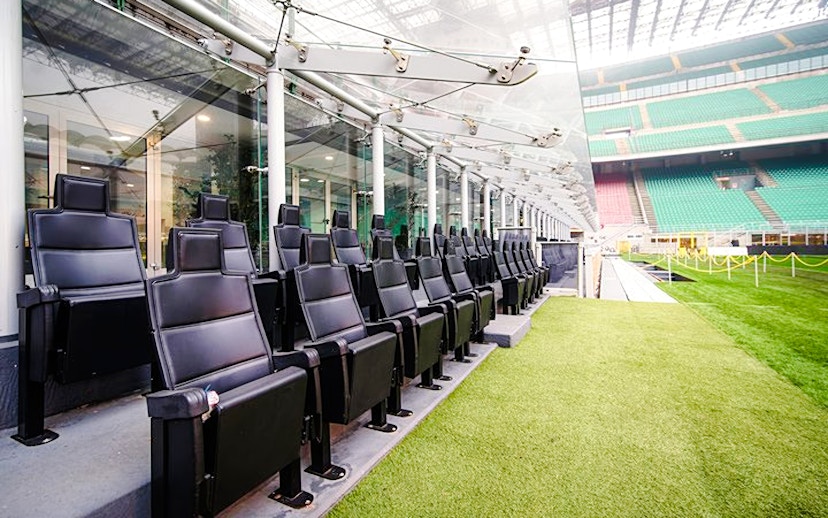
Stand just steps from the grass and peer into the team benches.
Why it matters: You’ll grasp the true scale of the arena and see where managers make split-second decisions.
Pro tip: Visit before midday for softer lighting and clearer photos.
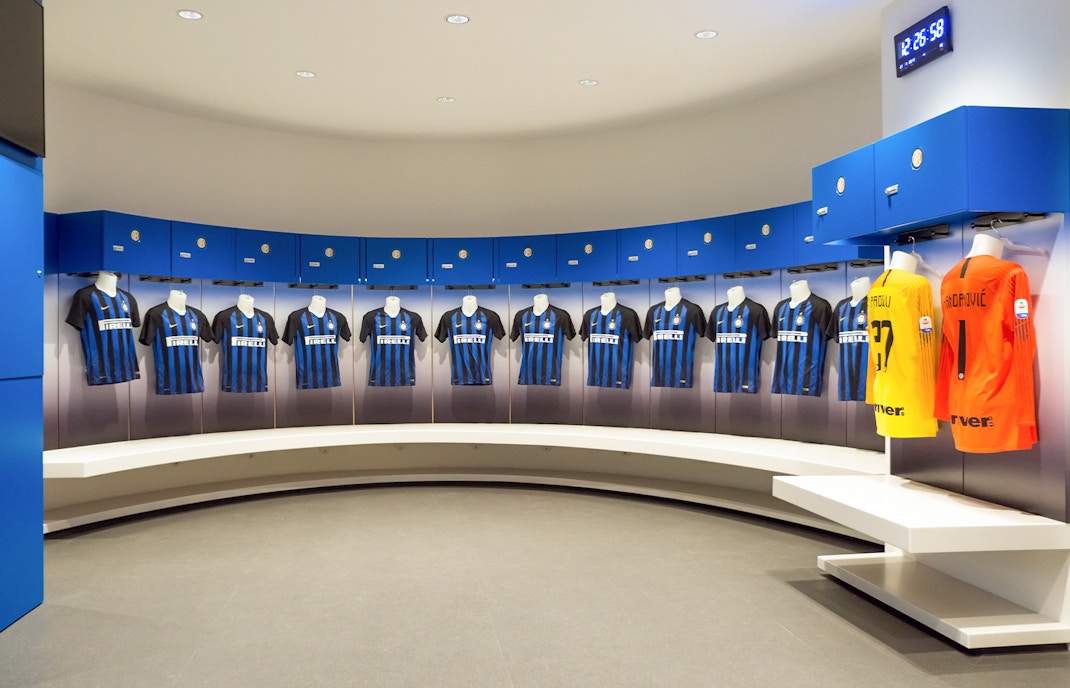
See both the home and visiting team dressing rooms, where match-day preparations unfold.
Why it matters: These spaces have hosted some of Europe’s greatest footballers.
Pro tip: Look for nameplates and tactical boards, they’re easy to miss in a quick walkthrough.
Climb up into the stands for sweeping views of the bowl.
Why it matters: It’s the best way to appreciate the stadium’s architectural drama.
Pro tip: Sit for a minute in the middle rows, the acoustics give you a sense of how chants echo on match day.
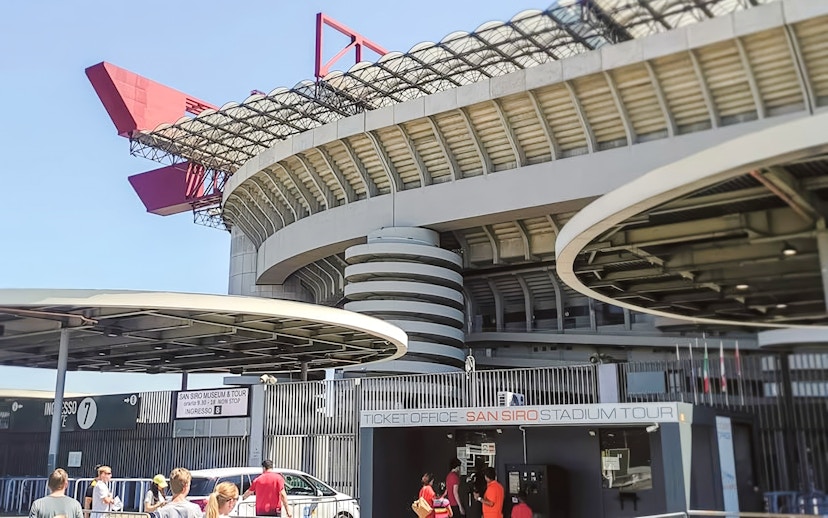
Yes, through a guided tour or entry ticket, you can access the museum, tunnel, dressing rooms, and pitch side areas (subject to event schedules).
No, entry requires a paid ticket or tour.
Explore football memorabilia, walk the players’ tunnel, stand pitch side, and enjoy panoramic views from the stands.
Photography is generally allowed for personal use, except in restricted zones. Always follow on-site guidelines.
Not necessarily, but a guide provides context about historic matches, rivalries, and iconic moments that elevate the experience.
Yes. Restrooms are available along the tour route, and a small shop near the museum sells official merchandise. Facilities operate during tour hours and may close on match or event days.