12 interesting facts about San Siro Stadium in Milan
San Siro Stadium isn’t just Italy’s largest stadium, it’s a monument to football passion, rivalry, and reinvention. From architectural breakthroughs to historic finals, here are fascinating facts that make this Milan icon unforgettable.
12 fascinating facts about San Siro Stadium
1. It wasn’t built for two clubs
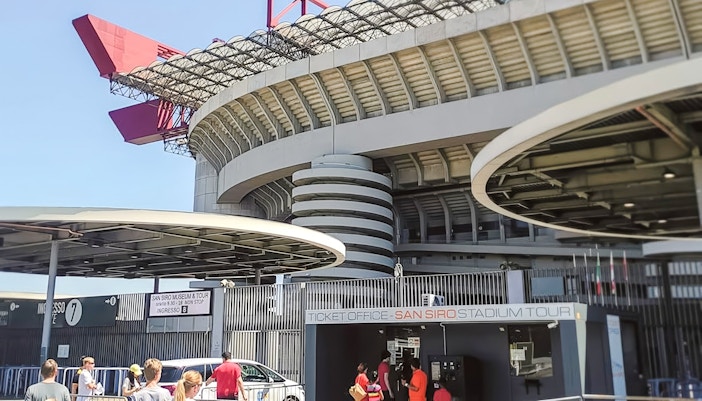
When San Siro opened in 1926, it was built exclusively for AC Milan. Inter Milan only began sharing the stadium in 1947, marking the start of one of football’s most intense cohabitations.
2. It has two official names
While globally known as San Siro, the stadium is officially named Stadio Giuseppe Meazza, after the legendary Italian striker who played for both AC Milan and Inter.
3. Italy’s largest stadium
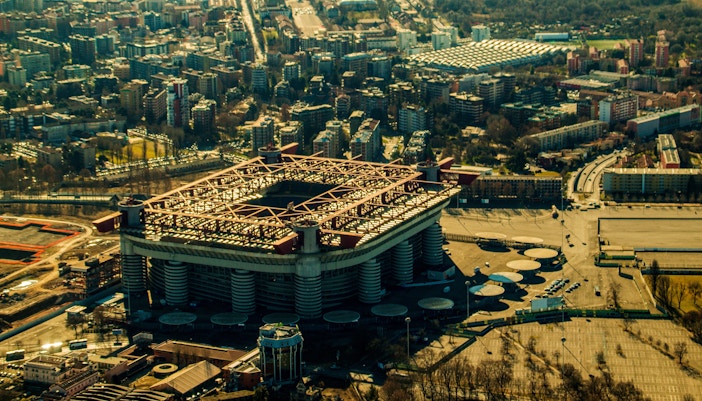
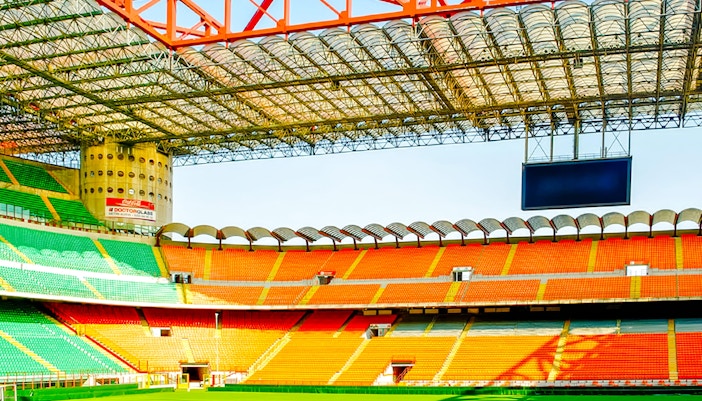
With a seating capacity of around 75,000 spectators, San Siro is the largest stadium in Italy and one of the biggest in Europe, hosting club matches, international fixtures, and major finals.
4. Built in just 13 months
Construction began in 1925 and was completed in only 13 months, an ambitious engineering feat for its time, especially for a purpose-built football stadium.
5. The spiral towers came later
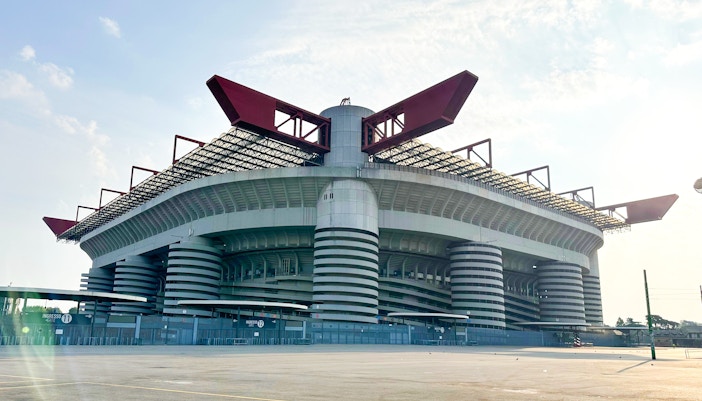
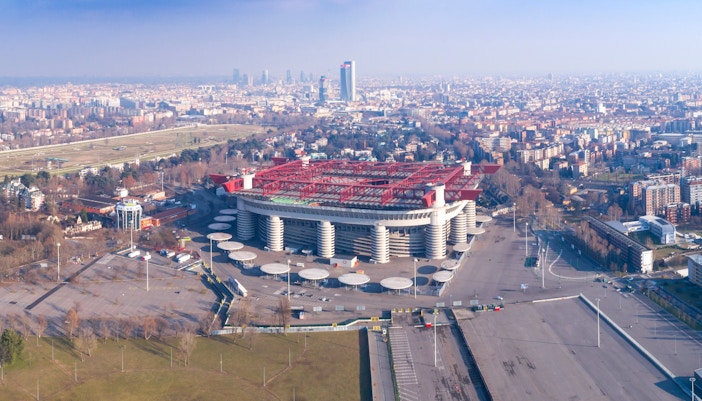
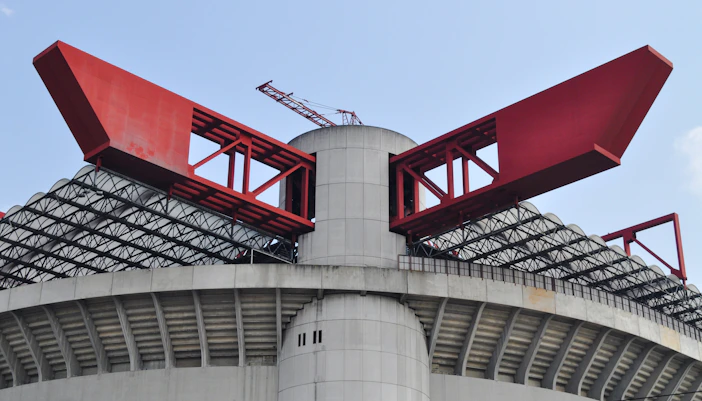
Those striking cylindrical towers weren’t part of the original design. They were added during major renovations in the late 1980s to support the new third tier and roof structure.
6. A stadium rebuilt for the World Cup
Ahead of the 1990 FIFA World Cup, San Siro underwent extensive modernization, including the installation of its distinctive red steel roof beams and improved seating tiers.
San Siro’s culture goes beyond facts: Discover it with an expert
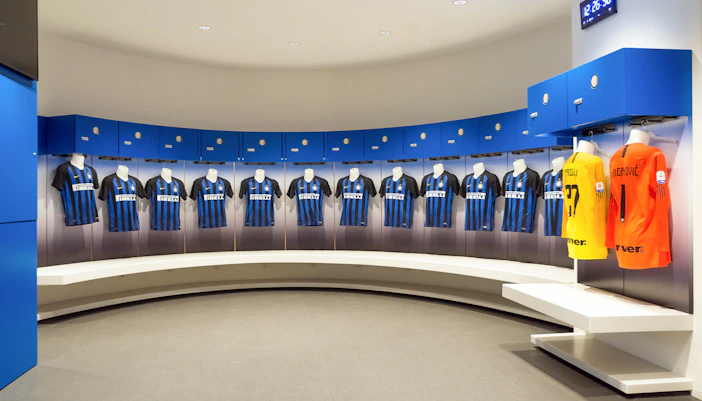
San Siro isn’t just defined by its size or records, it’s shaped by decades of rivalry, shared triumphs, and matchday rituals. Walk the tunnel, step into the dressing rooms, and hear the stories that transformed a stadium into Italy’s football cathedral.
7. It has hosted four European Cup/Champions League finals
San Siro has staged multiple European Cup and Champions League finals, cementing its reputation as one of Europe’s most prestigious football venues.
8. The Derby della Madonnina lives here
The iconic Milan Derby between AC Milan and Inter is played at San Siro, making it one of the rare stadiums where two fierce rivals share the same home ground.
9. It’s not just for football
Beyond football, San Siro has hosted major concerts by global artists including Bruce Springsteen, U2, and Beyoncé, transforming the pitch into a world-class music arena.
10. The players’ tunnel is shared
Both clubs walk through the same tunnel on matchdays, a symbolic reminder of their shared history and rivalry under one roof.
11. It was once a multi-sport venue
Originally, San Siro was designed to host only football, unlike many early 20th-century stadiums that included running tracks. This made it one of Italy’s first football-specific arenas.
12. Its future is under discussion
Plans have been proposed to replace San Siro with a new stadium, making today’s visits part of a living chapter in Italian football history.
Frequently asked questions about San Siro Stadium
San Siro’s official name is Stadio Giuseppe Meazza, in honor of the legendary Italian footballer who played for both AC Milan and Inter. Despite the official name, locals and fans worldwide still commonly call it San Siro.
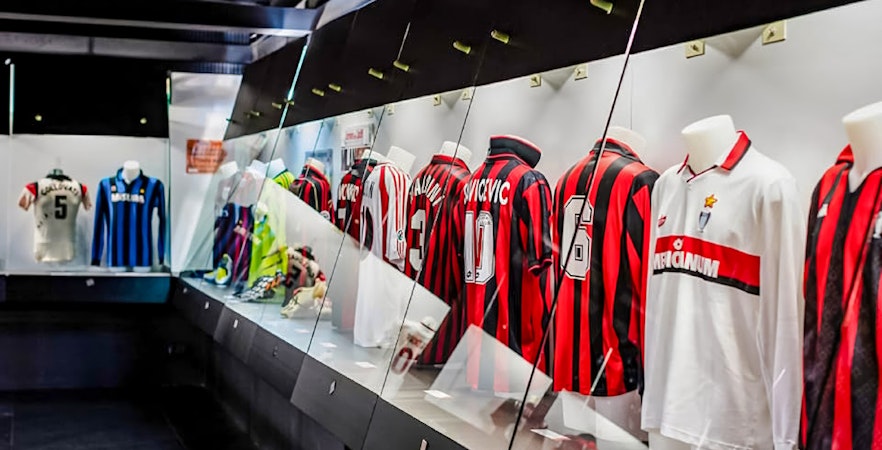
Inter Milan moved to San Siro in 1947 due to growing fan demand and stadium capacity needs. Since then, the two clubs have shared the venue while maintaining separate club identities, museums, and trophy displays.
Its towering spiral ramps and red steel roof beams, added during late 20th-century renovations, give San Siro a bold, fortress-like appearance. The design allows for massive capacity while maintaining strong sightlines.
Yes. San Siro has hosted FIFA World Cup matches, UEFA Champions League finals, and international fixtures. It is considered one of Europe’s most historic football venues.
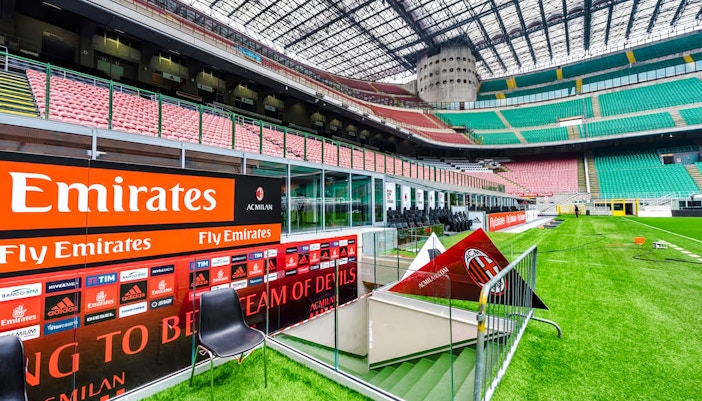
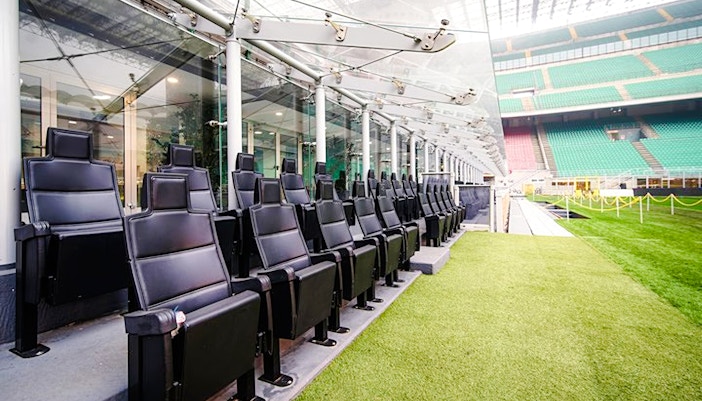
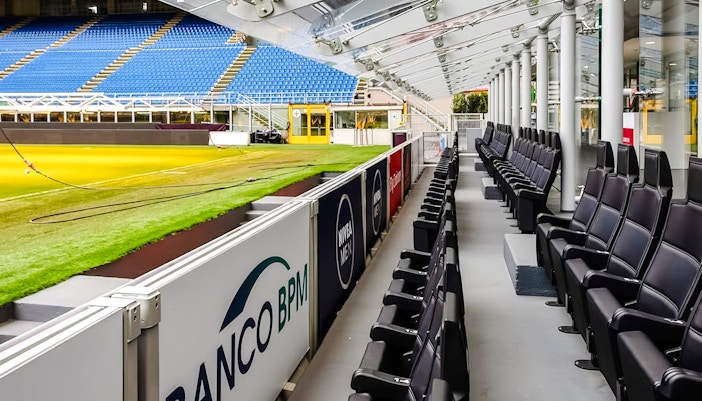
Yes. Guided tours give you access to the museum, trophy displays, pitch side views, and the players’ tunnel, letting you experience the stadium’s history firsthand rather than just reading about it.